Day Trip: Lisbon to Tomar (History-Lovers Itinerary + Tips)
Tomar is one of Portugal's most interesting historic towns - perfect for a day trip if you love castles, monasteries, and a calmer vibe than Sintra.
Jolie Dang
Founder, Jolie in Lisbon
Tomar is one of Portugal's most historically significant towns, and it's chronically undervisited. It's home to the Convento de Cristo - a UNESCO World Heritage Site that served as the headquarters of the Knights Templar and later the Knights of Christ, one of the most powerful religious-military orders in Portuguese history. Unlike Sintra, you'll have space to breathe, time to think, and the rare experience of feeling like you've discovered something on your own.
Why Tomar Is Worth the Trip
Tomar doesn't have the instant visual drama of Sintra's fairy-tale palaces or Évora's Roman temple in the middle of a square. What it has is depth - centuries of history layered into a single hilltop complex that rewards slow exploration. The Convento de Cristo is one of those rare places that makes you feel the weight of history without needing any special knowledge to appreciate it.
- The Convento de Cristo is genuinely extraordinary - a fortress, monastery, and architectural time-capsule rolled into one, with one of the most famous decorative windows in Portugal
- Far less crowded than Sintra: In high season, Sintra can feel like an outdoor queue. Tomar is calm, manageable, and gives you space to actually experience what you're looking at
- The medieval town below is lovely: The Praça da República, the old streets, the river - a pleasant afternoon wander after spending the morning in the convent
- One of Portugal's best-preserved medieval synagogues is here - often overlooked, genuinely fascinating
- Local pastry you can't get anywhere else: Fatias de Tomar, a rich almond and egg confection, are made here and barely known outside the town
Getting from Lisbon to Tomar
By Train (Recommended)
The train is the most comfortable way to reach Tomar and the journey is pleasant - it passes through the Ribatejo countryside and along the Tagus valley.
- Departure: Lisboa Oriente or Lisboa Santa Apolónia (both have direct services)
- Journey time: ~2 hours
- Price: ~€10–€15 each way depending on service type and booking time
- Line: Linha do Norte to Entroncamento, then transfer to the Linha do Leste toward Tomar (some services are direct)
- Frequency: Several daily departures - check cp.pt for current schedule
- Station location: Tomar train station is about a 15-minute walk from the town center and a 30-minute walk uphill to the Convento (or a short taxi/Uber)
Key tip: For a day trip, take the earliest available train - ideally departing Lisbon around 7:30–8:30am. You'll arrive by 9:30–10:30am, which gives you time for the Convento in the morning and the town in the afternoon before the return journey.
By Car
Driving takes about 1h 30min via the A1 motorway toward Porto, then branching off toward Tomar on the A13 or IP3.
- Tolls: ~€6–€9 each way on the motorway
- Parking: There's free parking near the town center and paid parking closer to the Convento. The area around Praça da República has parking spaces if you arrive outside peak morning hours
- Advantage: Flexibility to combine with the Aqueduct of Pegões (5km from town) or other sites in the region
The Main Attraction: Convento de Cristo
Clear two to three hours for this. It's not a quick in-and-out - the complex is genuinely large and layered, and rushing through it means missing most of what makes it extraordinary.
Background: The Knights Templar and Tomar
In 1160, the Master of the Knights Templar in Portugal, Gualdim Pais, chose this hilltop as the site for the Order's Portuguese headquarters. The Templars built a castle and a round church - the Charola - modeled on the Church of the Holy Sepulchre in Jerusalem. When the Templars were dissolved across Europe in 1312, the Portuguese king refounded them as the Order of Christ, and they continued here. Vasco da Gama, discoverer of the sea route to India, was a member. Henry the Navigator, who funded much of Portugal's Age of Discovery, used the wealth of the Order to finance his expeditions.
What you see today is centuries of building: Romanesque, Gothic, Manueline, Renaissance, and Baroque all layered on top of each other. Every cloister tells a different era's story.
What to See Inside the Convento
The Charola (The Round Templar Church)
The most powerful space in the complex - a 12th-century round church built in the style of the Holy Sepulchre. Sixteen columns in a circle, richly painted panels, an intense atmosphere. The Templars worshipped here on horseback, which is why the altar is raised and positioned to be visible from horseback in the outer ring. It's unlike any other church you'll see in Portugal.
The Manueline Window
One of the most famous architectural details in Portugal. Built in the early 16th century, this window on the west façade of the chapter house is an explosion of Manueline decoration - ropes, coral, armillary spheres, roots, anchors, and the Cross of Christ woven together into an intricate carved stone composition. It was built to celebrate Portugal's maritime empire, and it shows. Even if you have no particular interest in architecture, standing in front of it and looking for the individual motifs is genuinely absorbing. Plan 20–30 minutes here alone.
The Cloisters
There are seven cloisters in the Convento, each built in a different era and style. The Claustro Principal (Main Cloister), built in the Renaissance style under João III, is the most elegant - two stories of arched galleries with perfect proportions. The Claustro do Cemitério (Cemetery Cloister) is more austere and atmospheric. Wander through as many as you can.
The Castle Walls
The medieval castle walls surround the entire complex and you can walk sections of them. The views over the Nabão River valley, the surrounding countryside, and the town below are excellent.
- Entry: ~€6–€8 (check current prices at the site)
- Opening hours: Generally 9am–6pm (summer), 9am–5pm (winter). Closed on certain public holidays - check ahead
- Time needed: 2–3 hours minimum to see everything properly
- Audio guide: Available at the entrance, worth getting if you want context for what you're looking at
What Else to See in Tomar
Sinagoga de Tomar (The Medieval Synagogue)
Tomar had a thriving Jewish community until the Inquisition expelled Jews from Portugal in 1496. The synagogue, built in the mid-15th century, is one of the best-preserved medieval synagogues on the Iberian Peninsula - and almost nobody visits it.
The building is small but beautifully maintained, with original vaulted ceilings and detailed stone work. It now houses the Museu Luso-Hebraico Abraão Zacuto, which contextualizes the history of the Jewish community in Tomar and in medieval Portugal more broadly. It's moving, thought-provoking, and free.
- Entry: Free
- Location: Rua Joaquim Jacinto, in the historic center - a 5-minute walk from Praça da República
- Time needed: 30–45 minutes
Praça da República
The central square of the old town, lined with 18th-century buildings and the Igreja de São João Baptista - a fine late-Gothic and Manueline church. This is the natural social hub of Tomar: cafés, locals, pigeons, a relaxed afternoon atmosphere. Have your post-Convento coffee here and take a moment to appreciate how unrushed everything feels compared to Lisbon.
Aqueduct of Pegões
About 5km from the town center, this 17th-century aqueduct is one of the most impressive in Portugal - 6km of arches (originally 180 arches, now around 180 are standing) that brought water to the Convento from the hills. It's an extraordinary piece of engineering and barely visited. If you're driving, it's a 10-minute detour and worth it for the scale of the thing.
- How to reach it: Car or bike (some rental shops in town) - too far to walk from the center for most visitors
- Entry: Free
Mata Nacional dos Sete Montes (Forest Park)
A forest park just below the Convento, pleasant for a short walk between sightseeing. Shaded paths, old trees, a small lake. Good for a mid-morning break if you're visiting in summer heat.
What to Eat in Tomar
Fatias de Tomar (You Must Try These)
Fatias de Tomar are a local sweet pastry made from eggs, almonds, and sugar - rich, dense, and unlike anything else in Portugal. They're sold in pastelerias throughout the town, and they're the kind of thing where you eat one and immediately buy three more to take home. Look for them at any local cake shop; expect to pay €1.50–€2 per piece. Do not leave without trying them.
Lunch Near Praça da República
The restaurants in the streets around the central square serve solid Portuguese lunch menus - bacalhau dishes, grilled pork, caldo verde, and the usual but always satisfying lineup. Tomar is not a fine-dining destination, but the everyday Portuguese cooking here is honest and well-priced. A full lunch with drink costs €10–€15 per person.
Full Day Itinerary
- 7:30–8:00am - Train from Lisboa Oriente or Santa Apolónia
- 9:30–10:00am - Arrive Tomar. Short walk or taxi to the Convento
- 10:00am - Enter the Convento de Cristo. Start with the Charola (the round church), then work through the cloisters
- 10:45am - The Manueline Window (west façade). Spend proper time here
- 11:15am - Continue through the remaining cloisters and castle walls
- 12:30pm - Head down to the town center
- 12:45pm - Lunch at a restaurant near Praça da República
- 2:00pm - Sinagoga de Tomar
- 2:45pm - Walk around the old town, Praça da República, Igreja de São João Baptista
- 3:30pm - Coffee and fatias de Tomar at a local pasteleria
- 4:00pm - Optional: Mata Nacional forest walk, or browse the market stalls near the river
- 5:00–5:30pm - Train back to Lisbon
- 7:00–7:30pm - Arrive back in Lisbon
Who This Day Trip Is Best For
- History lovers: This is the premium option for people who genuinely love medieval history. The Templar story is fascinating, and you'll find yourself wanting to read more about it on the train home
- People who've already done Sintra: Sintra is the famous one. Tomar is what you do when you want the history without the queues and the overpriced cafés
- Anyone wanting something more local: Tomar is a real town with a real life happening around the historic center. It doesn't feel like a tourist set piece
- Architecture enthusiasts: The Manueline window alone is worth the trip. The layering of architectural styles within one complex is something you rarely see this clearly anywhere in the world
Not ideal for: People looking for a beach day, anyone who finds medieval history actively boring, or visitors who want something walkable from the station without an uphill section (the Convento requires a 30-minute walk uphill from the station - take a taxi or Uber to start).
Practical Tips
- Start early: The 2-hour train journey means you need to leave Lisbon early if you want a full day. Aim for a 7:30–8:30am departure
- Take a taxi from the station to the Convento: It's uphill and about 30 minutes on foot. A taxi costs ~€5 and saves your legs for the Convento itself
- Check opening hours before you go: The Convento is occasionally closed for events or maintenance. Check the official website or call ahead during off-season
- Wear comfortable shoes: The Convento's cobblestones and uneven floors are hard on thin-soled shoes
- Bring water: There's a café inside the Convento complex, but it's expensive. Bring a bottle
- The fatias de Tomar won't survive the heat: Buy them at the end of the day, not the beginning
- Download the CP app: The train back can be checked and occasionally booked on the app - useful if you're not sure exactly when you'll be ready to leave
- Combine with Fátima if driving: Fátima is about 30 minutes from Tomar by car - the site of one of Portugal's most important Catholic pilgrimage shrines. Worth visiting even without religious interest for the scale and atmosphere, particularly around May 13 and October 13 (the major pilgrimage dates)
Is the Journey Worth It?
Yes, if you have any interest in history or architecture. Tomar is one of those places where you feel something - a genuine sense of the past, of power and belief and time - rather than just ticking off a sight from a list.
The Convento de Cristo is not as immediately beautiful as the palaces of Sintra, but it's more intellectually substantial. The Charola alone - that round Templar church where knights worshipped on horseback - creates an atmosphere I haven't felt in many other places in Portugal. And the Manueline window is one of the genuine architectural masterpieces of the country, seen by a fraction of the visitors who queue for Pena Palace.
Go early, spend the morning in the Convento, eat well at lunch, visit the synagogue, eat fatias de Tomar, and come home feeling like you've actually understood something about Portuguese history. That's a good day trip.
You would also like
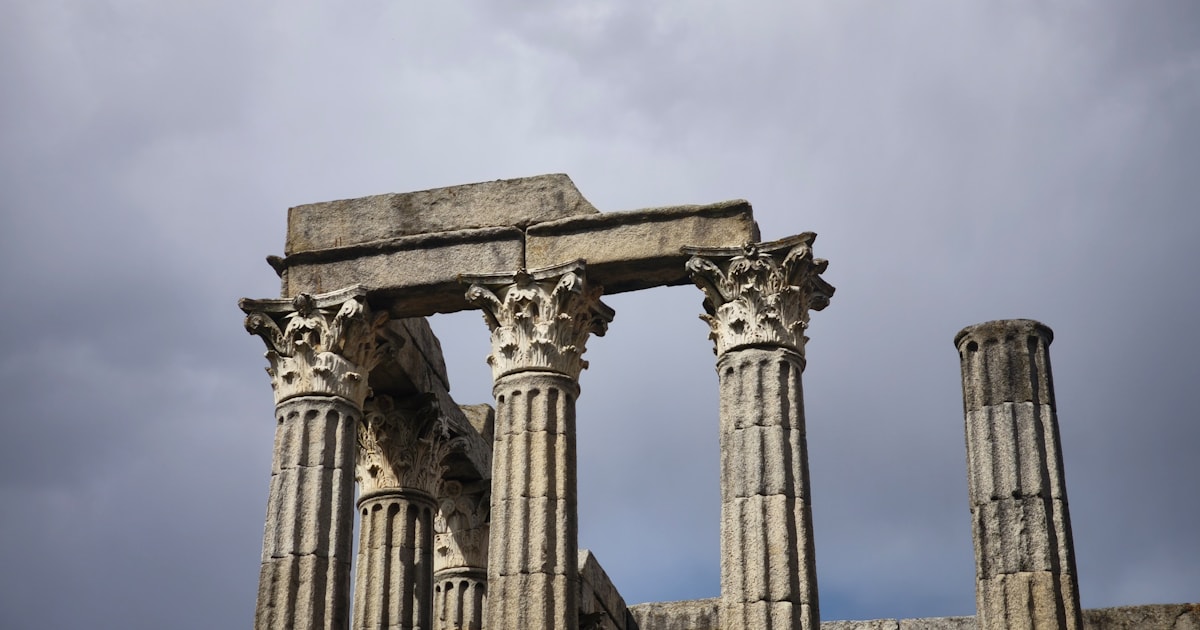
Day Trip: Lisbon to ?vora (Easy Itinerary + Transport Tips)
?vora is one of the best day trips from Lisbon for history lovers?Roman ruins, whitewashed streets, and Alentejo vibes. Here?s how to do it as a stress-free day trip.
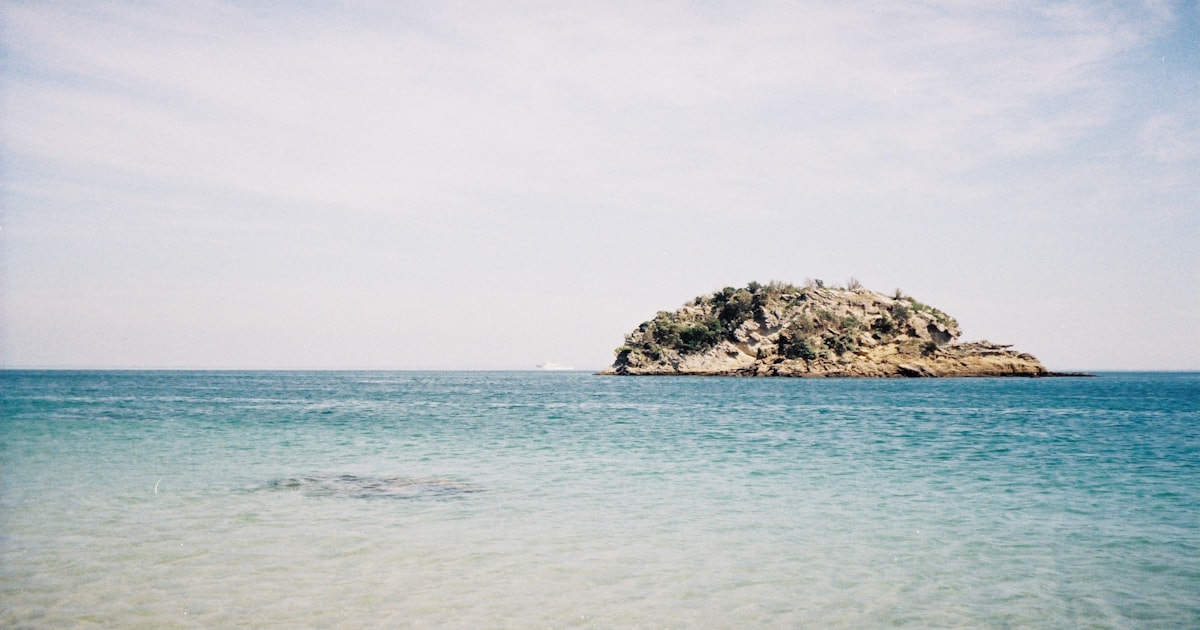
Day Trip: Lisbon to Set?bal (Seafood, Views, and a Simple Plan)
Set?bal is an underrated day trip from Lisbon for seafood lovers, coastal scenery, and an easy local-city vibe. Here?s how to plan a relaxed day without overdoing it.
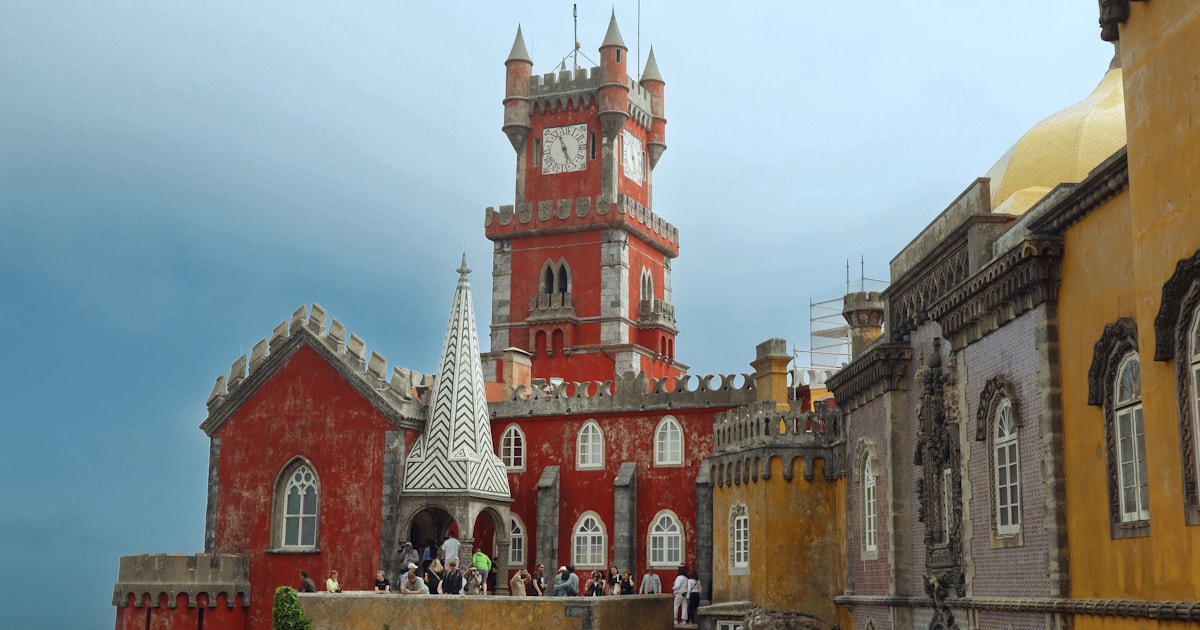
Day Trip: Lisbon to Sintra (How to Do It Without Stress)
Sintra is magical?but it can be chaotic if you arrive at the wrong time. Here?s the easiest way to plan a day trip from Lisbon: timing, transport, and a realistic itinerary.
Ready to explore Lisbon?
Download my complete Portugal Travel Planner with insider tips, neighborhood guides, restaurant recommendations, and practical checklists for your Lisbon adventure.
Download Free Planner