10 Mistakes Tourists Make in Lisbon (And How to Avoid Them)
From Tram 28 traps to the wrong shoes for hills, here are the most common Lisbon mistakes I see visitors make - and quick fixes that instantly improve your trip.
Jolie Dang
Founder, Jolie in Lisbon
Lisbon rewards a little strategy. The biggest mistakes are usually about timing (going at the busiest hours), shoes (cobblestones + hills is a specific challenge), and overplanning (trying to do too much when the city rewards slowing down).
Mistake 1: Wearing the wrong shoes
This sounds like a trivial tip until you're limping through Alfama at 11am with blisters on both heels. Lisbon's cobblestones - the black and white calçada portuguesa pattern you see everywhere - are visually stunning and physically treacherous. They're uneven, many are loose, and when wet (which happens regularly, even in summer from evening condensation), they become genuinely slippery. I've seen people fall on these streets, including experienced travelers.
Heels are the obvious bad choice - they catch in the gaps between stones and are essentially dangerous. But thin-soled sneakers, ballet flats, leather-soled shoes, and worn-out soles are also risky. The cobblestones transmit every irregularity directly into your foot, which leads to soreness and instability.
The neighborhoods where this matters most: Alfama and Mouraria (steep, narrow alleyways with irregular cobblestones), Bairro Alto (flat but very uneven, gets slippery at night), and anywhere there's been recent rain.
What actually works: Thick-soled, grippy walking shoes or trail-style sneakers. The rubber sole needs real texture - anything smooth will be inadequate. Some people swear by hiking sandals for summer. Avoid anything with a heel over 2cm. Bring at least one pair of shoes you could walk 15km in without complaint, because on a good Lisbon day, you will.
Mistake 2: Getting on Tram 28 without a strategy
Tram 28 is famous for good reason - it's a gorgeous old wooden tram that passes through some of the most photogenic streets in Lisbon. But boarding it at the wrong time or at the wrong stop turns that experience into a miserable, crowded exercise in patience.
In summer (June–September), the tram is packed from 10am onwards. By noon you may wait 30–40 minutes for a tram that isn't already completely full. Even when you board, you may be pressed against other tourists with your camera stuck in someone's backpack. Pickpockets are active on this route precisely because the crowding makes it easy to work undetected.
The strategy that works: Board at the start of the line - Martim Moniz (heading towards Alfama) or Campo de Ourique (heading towards Chiado). At the terminus, you can actually get a seat. Go early - before 9am on weekdays, the tram is mostly locals going to work and the experience is genuinely lovely. Avoid it entirely on weekend afternoons in summer and just walk the route instead.
Mistake 3: Eating dinner before 7:30pm
This one surprises people, especially visitors from northern Europe or North America where dinner at 6pm is normal. In Lisbon - and Portugal more broadly - restaurants typically don't have their full kitchen running until 7:30pm. If you arrive at 7pm, you may find the kitchen is still setting up, the specials aren't ready, or the restaurant simply isn't open yet.
Locals eat dinner between 8pm and 10pm. The busiest restaurant time is 8:30–9:30pm. If you go for dinner at 7pm at a good local restaurant, you'll either be turned away or find a half-empty room where you feel conspicuously early.
The adjustment: Shift your meal schedule. Have a big lunch (the prato do dialunch special from 12:30–2:30pm is excellent and cheap - €7–10 for soup, main, and sometimes a drink). Then snack at 5–6pm (a bifana sandwich or another pastel de nata). Then eat dinner at 8–8:30pm like everyone else. You'll get better food, a livelier atmosphere, and a restaurant that's ready for you.
Mistake 4: Only staying in the historic center
Alfama, Baixa, and Chiado are wonderful. But Lisbon is much bigger than its Instagram-famous districts, and some of the best things in the city require a short journey.
Belém is 30–40 minutes from the center by Tram 15E or bus, and it contains some of the most significant sights in Portugal: the Mosteiro dos Jerónimos (a UNESCO World Heritage monastery with a cloister that will stop you in your tracks), the Torre de Belém (the iconic riverside tower), the Padrão dos Descobrimentos (the Discoveries Monument), the MAAT museum of contemporary art, and Pastéis de Belém. If you don't go to Belém, you haven't really seen Lisbon's greatest hits.
LX Factory in Alcântara is 20 minutes by Tram 15E - an old factory complex now housing independent restaurants, bookshops, studios, and a Sunday market. The bookshop Ler Devagar inside is one of the most beautiful bookshops I've ever been in.
Parque das Nações in the east is a completely different face of Lisbon - the Expo 98 site with futuristic architecture, a river promenade, and the Oceanário (one of Europe's best aquariums). Takes 20 minutes by metro.
Mistake 5: Paying for viewpoints when the free ones are better
Lisbon has a thriving industry of rooftop bars charging €10–15 minimum spend for a view you can get for free at a dozen miradouros. I'm not opposed to rooftop bars - some of them are lovely - but going to one instead of the free viewpoints is a genuine opportunity cost.
The free miradouros in Lisbon are spectacular:
- Miradouro da Graça: One of the best views in the city, with the castle and Alfama laid out below you. A local neighborhood feel - people walk dogs here, bring picnics, play guitar. Gets crowded by 10am but is magical in early morning light.
- Miradouro de Santa Catarina: Where the young, artsy crowd gathers at sunset. There's a statue of Adamastor (a sea monster from Os Lusíadas, the great Portuguese epic) and a small kiosk selling beer. The view looks west over the Tagus and the 25 de Abril Bridge.
- Miradouro de São Pedro de Alcântara: A formal garden terrace in Bairro Alto with benches, a small bar, and a view directly across to the castle. Accessible for anyone - no hills involved if you arrive from the Chiado side via the Gloria funicular.
- Miradouro da Senhora do Monte: The highest miradouro in Lisbon, with a 360-degree view, and far fewer tourists than Graça just below it. Best at sunset. Reach it via a steep climb from Intendente or a short Uber ride.
Mistake 6: Not booking Sintra's Pena Palace online in advance
Sintra is extraordinary - the Palácio da Pena is a 19th-century Romantic palace perched on a forested hill above the town, painted in bold yellow and red, and it looks like something from a fairytale. It's one of the genuinely great things to see in Portugal.
It's also enormously popular, and in summer (June–September) the queues to buy tickets at the door can be 60–90 minutes. I've seen people arrive at 10am and still be waiting at 11:30am. That's not a small inconvenience - that's 90 minutes of your trip standing in a car park.
The fix: Book your Sintra tickets online in advance through the official Parques de Sintra website (parquesdesintra.pt). You can book specific entry times up to a month ahead. The price is the same. This is not optional if you're visiting between June and early September - it's essential. Even outside summer, booking ahead gives you the peace of mind to plan your day properly.
Mistake 7: Assuming it's always warm
Lisbon has a genuinely lovely climate - warm, sunny summers and mild winters. But the city faces the Atlantic Ocean, and this creates some specific patterns that catch visitors off guard.
Even in July and August, evenings can be surprisingly cool - the Atlantic breeze picks up after sunset and temperatures drop noticeably. I've been on rooftops in August at 10pm wishing I had a light jacket. If you're planning an outdoor dinner or a sunset at a miradouro, bring a layer.
Winter (November–February) is much milder than northern Europe (12–17°C days), but the humidity is high and the buildings have almost no central heating, which makes interiors feel colder than the outdoor temperature suggests. A stone church in Lisbon in January is genuinely cold.
Spring (March–May) and autumn (September–October) can have rain, sometimes prolonged, and the cobblestones in the rain require extra care.
What to pack regardless of season: A windproof layer, at least one long-sleeved layer, and a compact rain jacket or umbrella. Even in summer, you'll use these. Especially if you're doing day trips to Sintra, which is in a microclimate that's cloudier and cooler than Lisbon.
Mistake 8: Exchanging currency at airport kiosks
The currency exchange offices in the arrivals hall at Lisbon Airport have notoriously bad rates. I've seen signs advertising "0% commission!" while burying the unfavorable exchange rate in small print. Changing €200 at an airport kiosk versus using an ATM can cost you €15–25 in lost value.
What to do instead: Use a Multibanco ATM - there are several in the arrivals hall, clearly marked. Your home bank's exchange rate (even with a small ATM fee) will almost always be better than the airport kiosk rate. If your bank charges high ATM fees abroad, get a Revolut, Wise, or similar card before you travel - these use interbank exchange rates with minimal fees.
Portugal is a mostly-cash-friendly country but also widely accepts cards. You'll need cash for some smaller tascas, markets, and older establishments, but most places in Lisbon take Visa/Mastercard.
Mistake 9: Being afraid to order the prato do dia
Many first-time visitors to Lisbon are slightly intimidated by local tascas - the menus are often in Portuguese only, the staff may speak limited English, and the atmosphere can feel like you've stumbled into someone's living room. So they default to restaurants with English menus and end up paying twice as much for worse food.
The prato do dia (daily special) is one of the best food deals in Europe. At a local tasca, it typically includes:
- A bowl of soup (usually caldo verde - kale soup - or a vegetable broth)
- A main course (typically grilled or braised fish, chicken, or pork, with rice, potatoes, or salad)
- Sometimes a small glass of house wine or a soft drink
- All for €7–10
To order: walk in, point at whatever is written on the chalkboard or ask "qual é o prato do dia?" (what's the daily special?). If they tell you in Portuguese and you don't understand, they'll usually point at what's on other people's plates or show you a photo on a phone. The experience is entirely manageable and the food is almost always good. This is how I eat lunch most days in Lisbon.
Mistake 10: Leaving Lisbon without taking a day trip
Lisbon is extraordinary, but the city is also the gateway to some of Portugal's most spectacular landscapes and historic sites. People who spend their entire trip in the city - especially those staying 5+ days - often leave feeling like they missed something. They did.
The day trips within 2 hours of Lisbon are genuinely world-class:
- Sintra (40 min by train, €2.25): UNESCO World Heritage site, fairytale palaces on a forested hill, the Moorish castle ruins. Do it on a weekday and book tickets in advance.
- Cascais (40 min by train, €2.25): A beach town on the coast west of Lisbon. Seafood lunch, a beach walk, the Boca do Inferno sea cliffs, and a relaxed pace. Perfect if you want a beach day without going to the Algarve.
- Évora (1.5 hours by bus, €12–15): A medieval walled city in the Alentejo plains, with Roman ruins (a 2nd-century temple right in the center of town), a Cathedral, and the famous Chapel of Bones (where the bones of 5,000 monks line the walls). Unlike Sintra, Évora is very rarely crowded.
- Arrábida Natural Park (1 hour by car or bus): The most beautiful beaches near Lisbon - turquoise water, limestone cliffs, pine forest reaching down to the sea. Not easily accessible without a car or organized tour, but worth the effort in summer.
- Óbidos (1.5 hours by bus): A tiny medieval walled town often used for tourism brochure photos of Portugal. Compact, walkable in two hours, and genuinely charming.
If you're in Lisbon for 4+ days, plan at least one day trip. Sintra + Cascais is the easiest first-timer option (you can combine them in a single day by train). Évora is for people who want something different from palaces and beaches.
You would also like
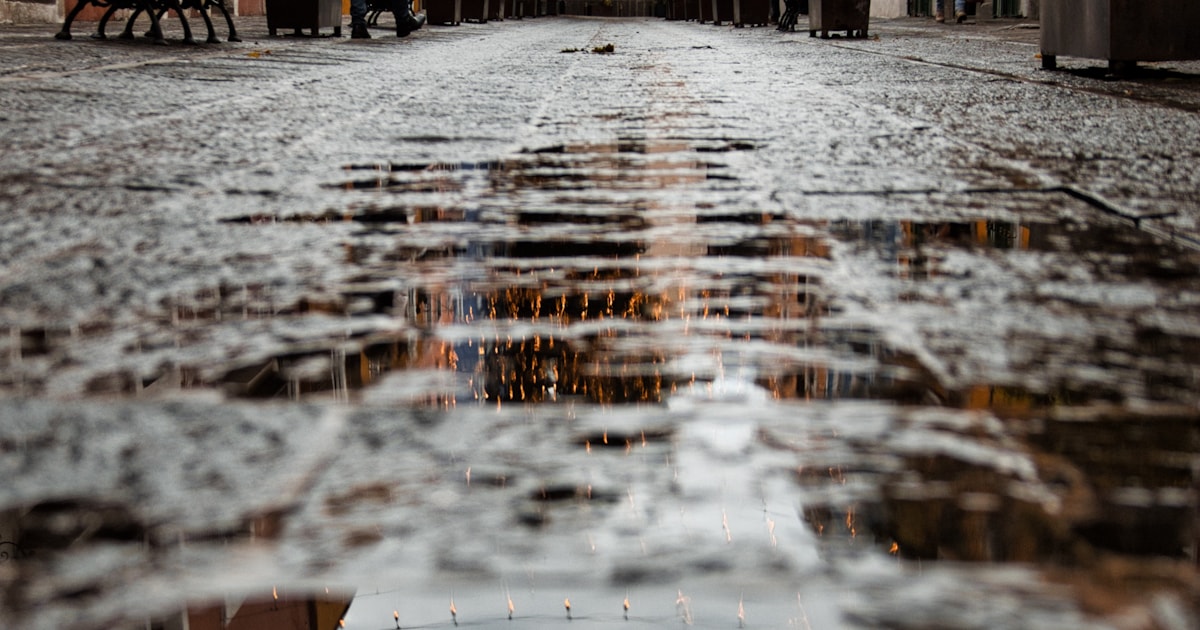
What Nobody Tells You About the Winter Weather in Lisbon (Humidity, Heating, What to Pack)
Lisbon winters feel colder than the numbers suggest. Humidity, drafty buildings, and limited central heating are the reality. Here is what to actually pack and expect.

How to Avoid Tourist Traps in Lisbon (Specific Examples + Better Alternatives)
Lisbon is amazing, but some experiences are overpriced or crowded for what you get. Here?s how to spot common tourist traps?and what to do instead.
Lisbon Packing List by Season (What to Wear + Shoes for Hills)
Lisbon?s weather is mild, but microclimates and hills change what ?comfortable? means. Here?s what to pack for Lisbon in spring, summer, fall, and winter?plus the shoes locals swear by.
Ready to explore Lisbon?
Download my complete Portugal Travel Planner with insider tips, neighborhood guides, restaurant recommendations, and practical checklists for your Lisbon adventure.
Download Free Planner